Imagine, if you will, a thousand years from now.
The forests are dimmer, the soils thinner, and light and life have learned to adapt in the most extraordinary ways. In the shadows of a nutrient-starved world, a new species unfurls its glimmering fronds.
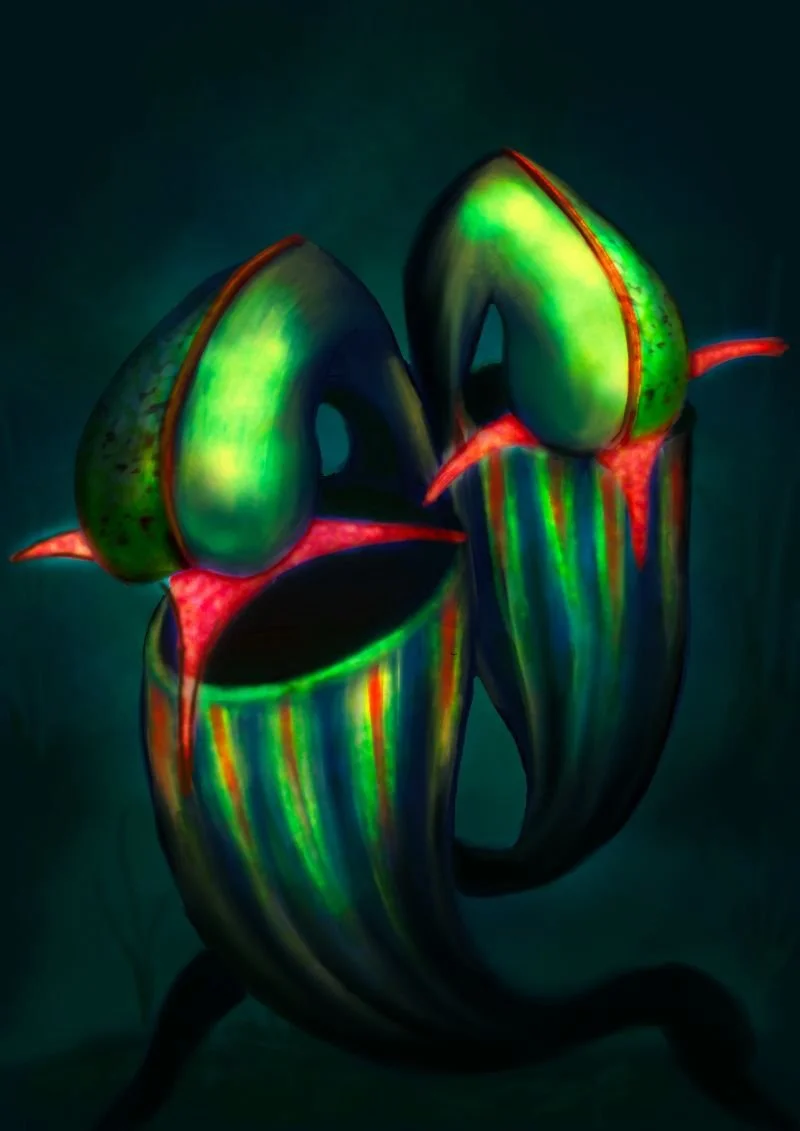
This is a bioluminescent, carnivorous plant, a marvel of imagined evolution.
In an age of scarcity, it has found a way to thrive: glowing to lure its prey, its luminescence both a beacon and a trap. Within its translucent tissues, chemistry and instinct converge, echoing the strategies of deep-sea creatures and ancient flora alike.
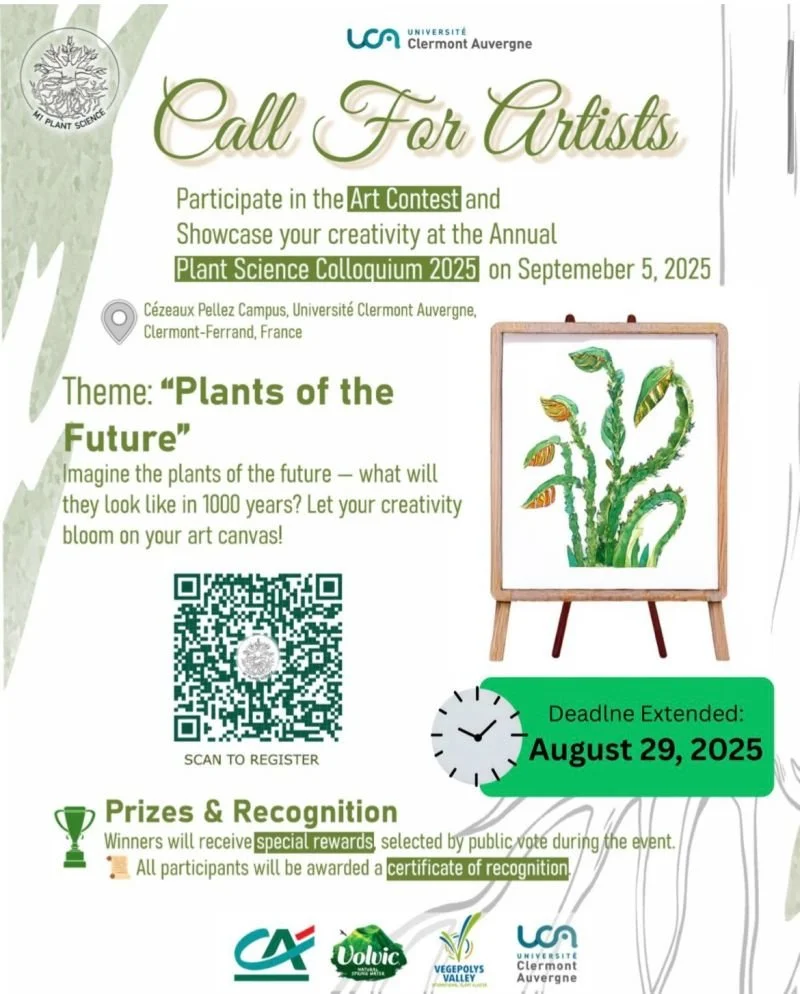
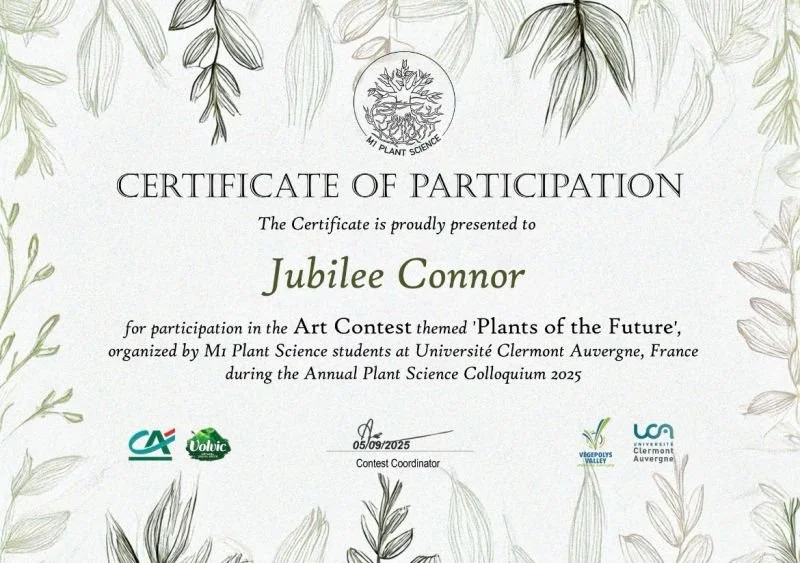
This speculative species was the subject of my artwork, showcased at the Annual Plant Science Colloquium 2025 in Clermont-Ferrand, France, part of the international art contest “Plants of the Future.”
The piece reflects a question at the heart of both science and art: How might life reshape itself when pressed by the Earth’s changing conditions?
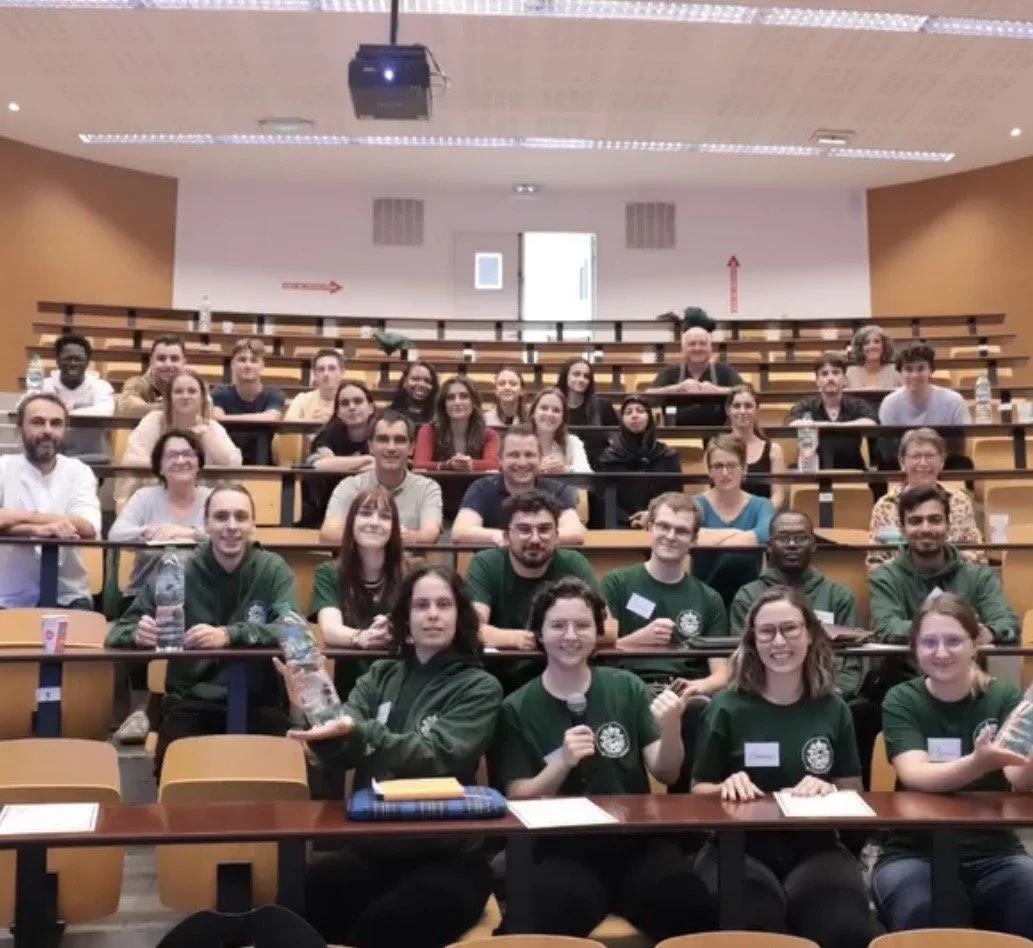
To be featured among plant scientists, researchers, and fellow creatives was to stand at that perfect intersection where imagination meets biology and storytelling meets evolution. The colloquium invited public participation through voting, discussions, and talks on plant biotechnology, creating a truly living ecosystem of ideas.
And there, amidst innovation and inquiry, my luminous predator took root.